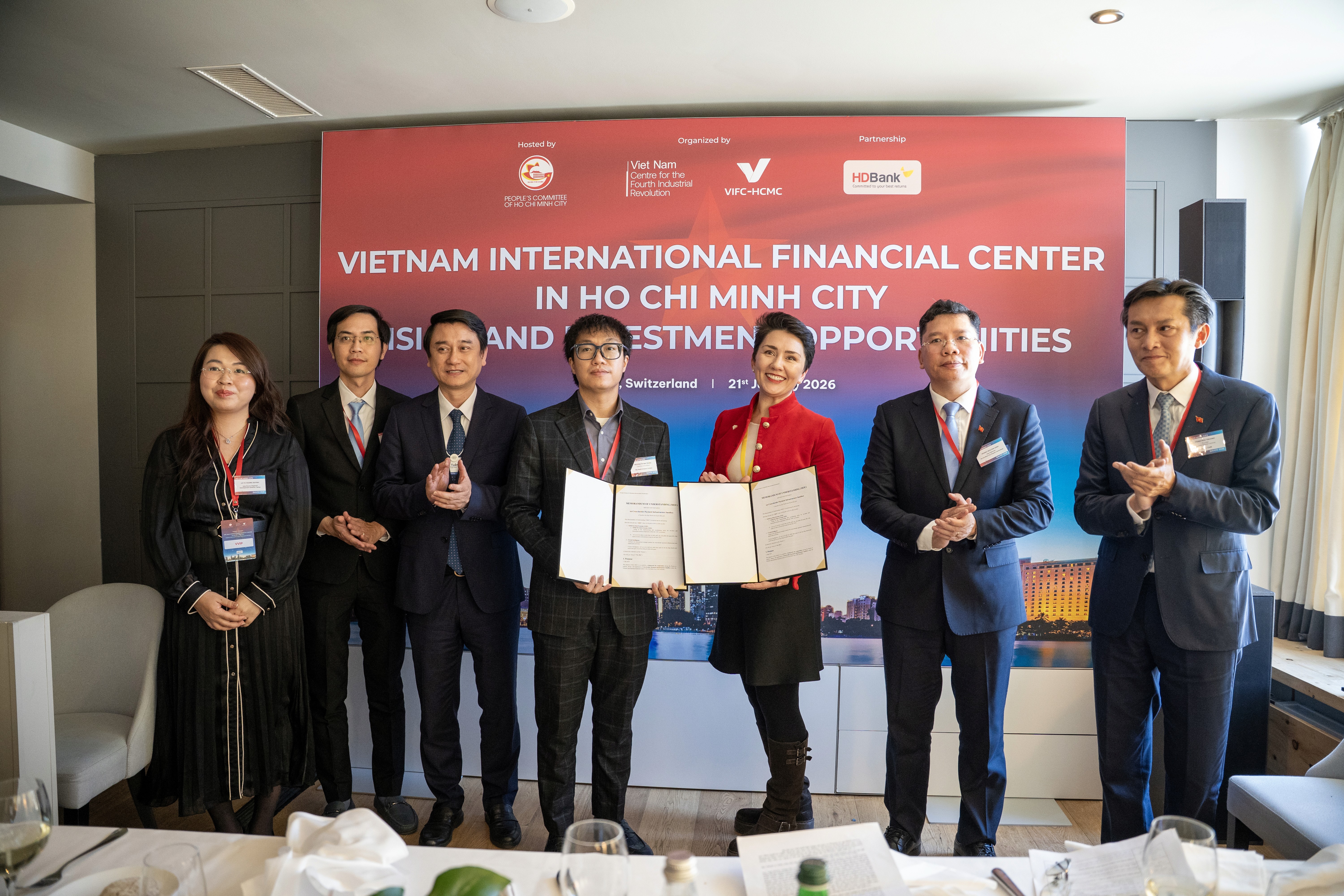
“Research on Regulatory Sandbox Mechanisms for the Blockchain and Digital Asset Sector at VIFC-HCMC” Workshop
Jun 12, 2025
4 min read
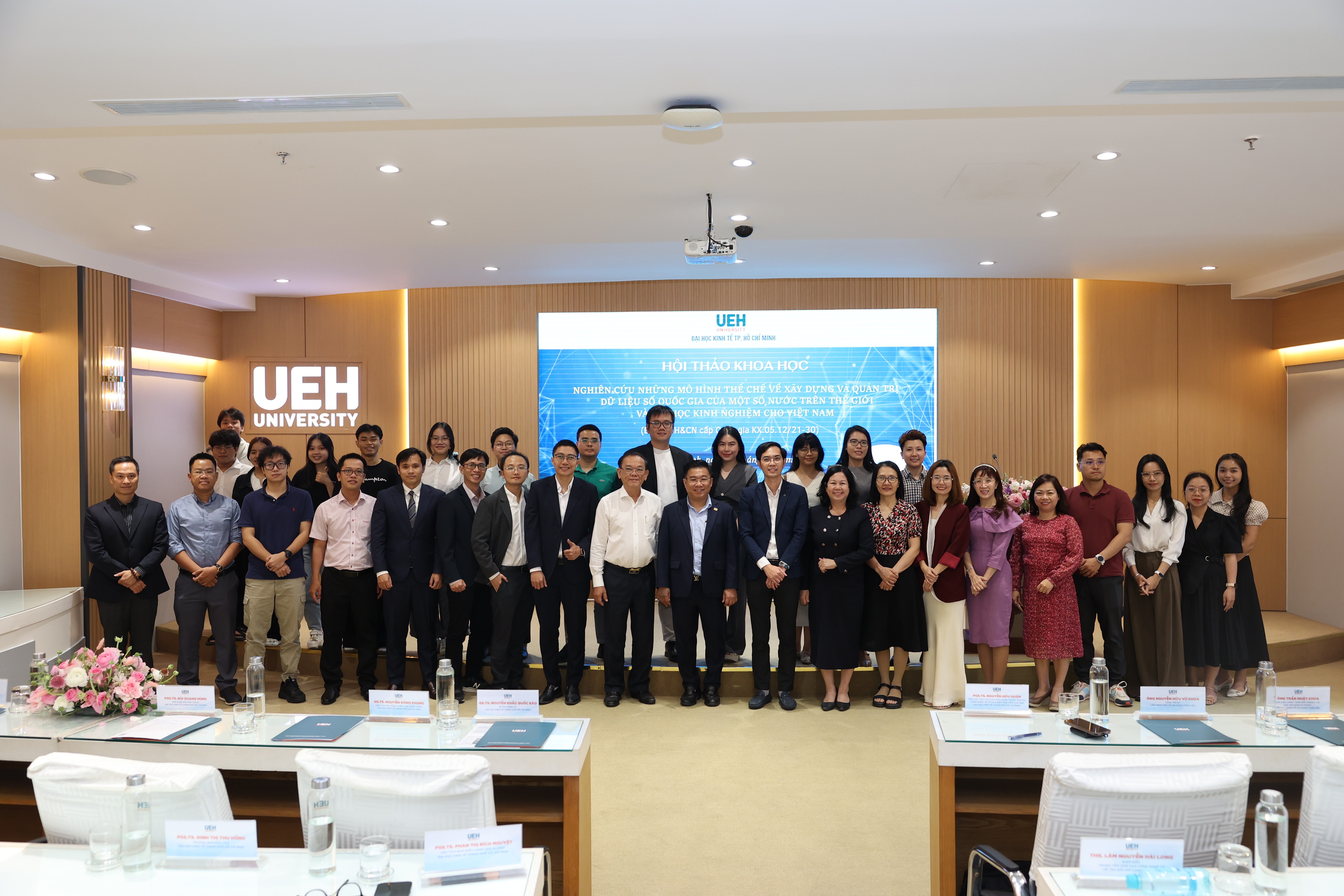
“Research on Regulatory Sandbox Mechanisms for the Blockchain and Digital Asset Sector at VIFC-HCMC” Workshop
On the afternoon of February 2, 2026, at the auditorium of the University of Economics Ho Chi Minh City, a scientific workshop was held on Research on Regulatory Sandbox Mechanisms for the Blockchain and Digital Asset Sector at VIFC-HCMC (sandbox). The workshop was organized under the Blockchain Sandbox Design Project for VIFC-HCMC, with UEH serving as the lead institution, and co-organized and sponsored by the Global On-Chain Economy Alliance (GOE).
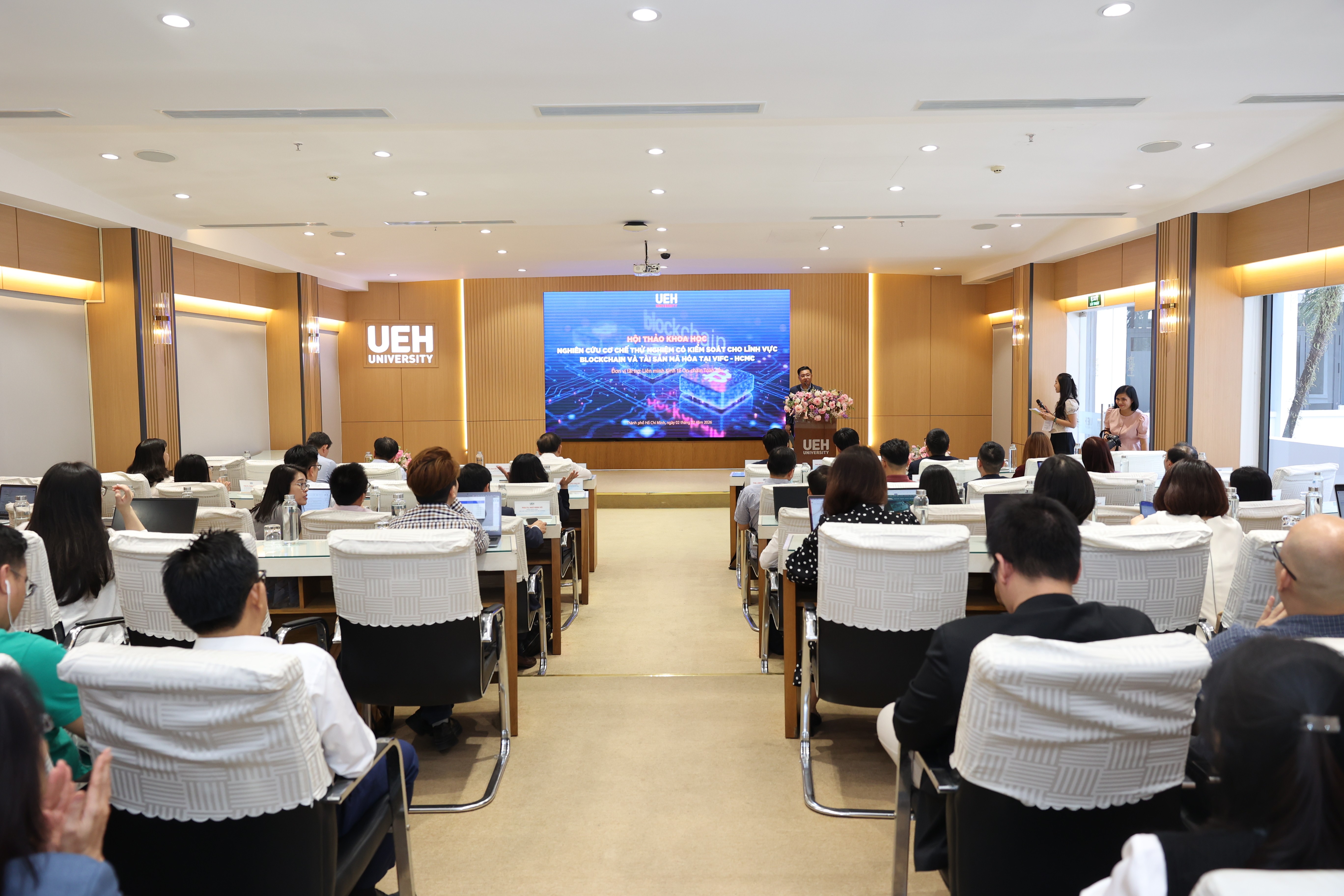
At a time when domestic and international enterprises are closely watching how the VIFC-HCMC blockchain sandbox will operate, the workshop put forward a compelling framing: should sandbox be treated primarily as a short-term risk-management tool, or as a long-term market-design instrument?
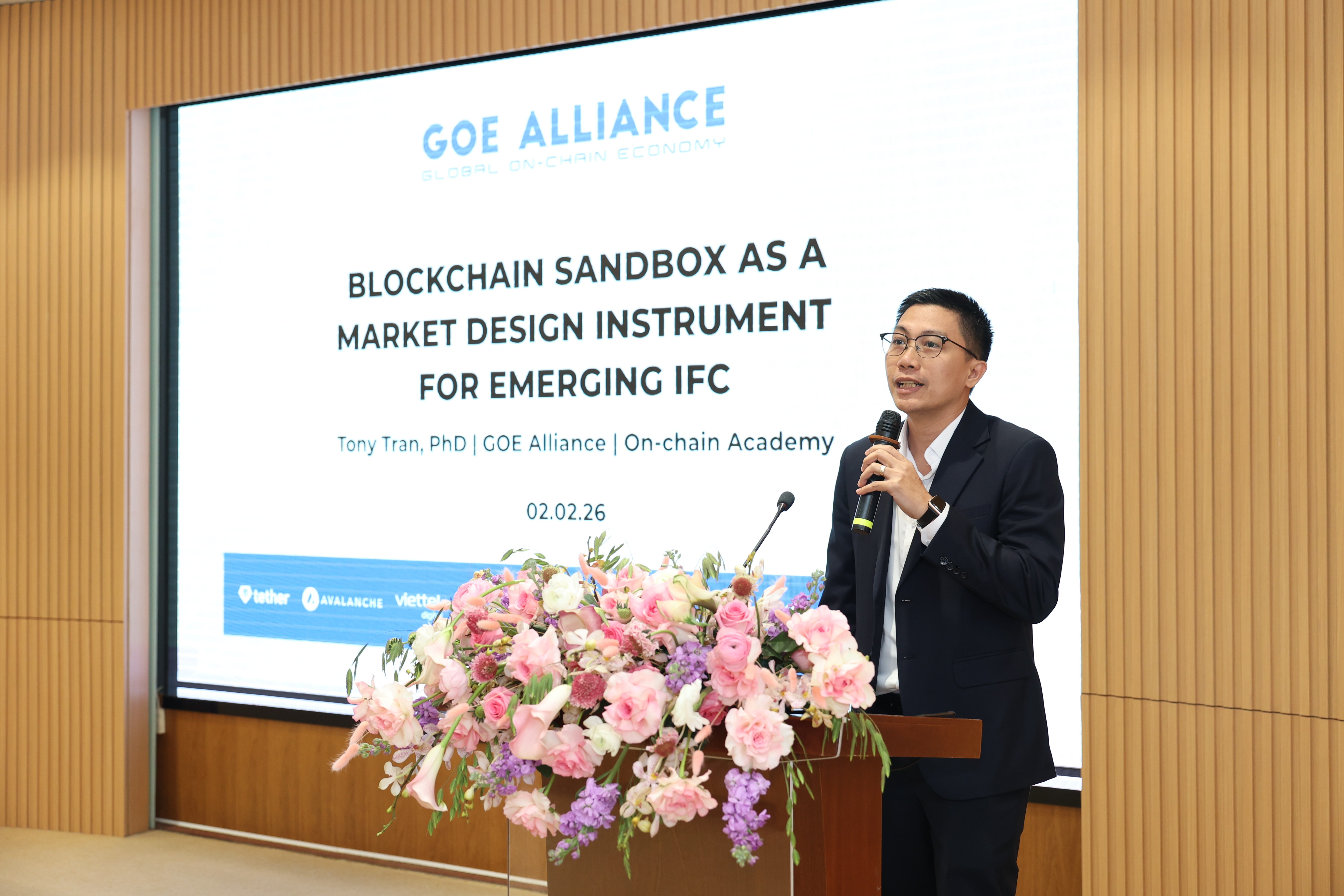
At the opening of the workshop, PhD. Tony Tran proposed that the sandbox should be designed in a market-oriented way—treating “the market that will exist after the sandbox” as the objective, rather than “an approved trial” as the end goal.
The market and the supervision model must be defined
PhD. Tony Tran (On-chain Academy) approached the sandbox as a market design instrument, not merely an “institutional transition mechanism.”
He emphasized that if the starting point is simply “apply for a sandbox for a use case,” the typical outcomes are:
supervision becomes tied to individual projects (case-by-case),
success criteria remain vague,
when the trial period ends, there is no exit pathway (licensing / market rulebook) for the market to continue operating.
Instead, he proposed shifting the mindset from regulation-first to market-first, with a clear distinction between:
Regulatory sandbox: primarily aims to contain risk and generate policy learning; use cases are selected firm-by-firm; scale is limited.
Market-oriented sandbox: aims to form a market and build an ecosystem; use cases are curated to match a target market; the design includes a pathway to scale and attract capital/liquidity.
A key point in PhD. Tony’s argument is that a sandbox is neither purely “regulatory” nor purely “market.” It lies on a continuum, balancing systemic protection with market formation.
“The solution”: A market-oriented sandbox needs a target market—and EOM is a viable option
After establishing the market-oriented frame, PhD. Tony proposed a specific “target market” around which to design the sandbox: the Emerging On-Chain Market (EOM).
What EOM means in this workshop’s framing
He defined EOM as an early-stage market structure that is strategically designed, integrating:
blockchain-based asset issuance,
capital formation mechanisms,
liquidity mechanisms,
and market infrastructure, within a developing institutional framework.
The emphasis: EOM is not “retail crypto growth,” and it is not “isolated sandbox pilots.” Rather, it is a coordinated market-building program, intentionally designed to attract on-chain capital flows and align regulation – capital formation – infrastructure.
A “three-layer architecture” to turn sandbox into a market
To prevent the sandbox from becoming a “temporary exception,” PhD. Tony proposed an EOM architecture with three layers:
Institutional layer: strategic mandate, regulatory philosophy, supervision mechanisms, and institutional capacity.
Market layer: asset design, liquidity design, access rules, and infrastructure—the “economic engine.”
Market enablement layer: implementation tools such as licensing, sandbox mechanisms, and operational infrastructure to scale.
The core principle: implementation instruments must match the intent of market design.
The headline message: feasibility is not enough; the sandbox must be designed to form a market.
“Trust infrastructure” and the “operating / supervision machine”
Mid-program, two presentations provided the “hard infrastructure” behind the market-oriented thesis:
Mr. Nguyễn Phú Dũng: Digital assets are not just tokenization—they are “digital trust” grounded in real data
Mr. Dũng argued that without real, verifiable data, digital assets are merely “risk encoded into tokens.” The value of digital assets depends on the quality of underlying data and independent verifiability.
He highlighted mandatory identification components (who owns it, what the asset is, where it is, and how value/cash flows are generated), and operational requirements such as independent custody, real-time data audits, and RegTech/SupTech-based supervision.
This is the missing piece that allows a market-oriented sandbox to answer: supervision of what?—supervision grounded in data-driven trust, not paper-based process.
Assoc. Prof. Dr. Ngô Minh Vũ (and co-authors): A sandbox needs an “operating office” and decision-making that is fast and disciplined
The co-authors proposed an execution framework: a sandbox requires an operating model, key personnel, cross-agency coordination mechanisms, and a phased roadmap.
A highly practical contribution was the proposed role design: a Sandbox Manager, case officers supervising each participating firm, technology/risk experts, legal advisors drafting “no-action” letters, rapid approval mechanisms, and a market advisory group.
In principle, they stressed that sandbox constraints must be strict (time, scale, and experimental scope), while still being flexible under control—producing real-world data that can later be codified into formal regulation.
This is the piece that lets a market-oriented sandbox answer: who supervises, by what mechanism, and how decisions are made.
The enterprise voice: firms don’t need short-term relaxation—they need an exit path and a rulebook to commit long term
If PhD. Tony’s opening reset the design philosophy, the closing by Ms. Nguyễn Thị Ngọc Quỳnh (Republic) delivered the “voice of the market”—clear, concrete, and centered on investment decisions.
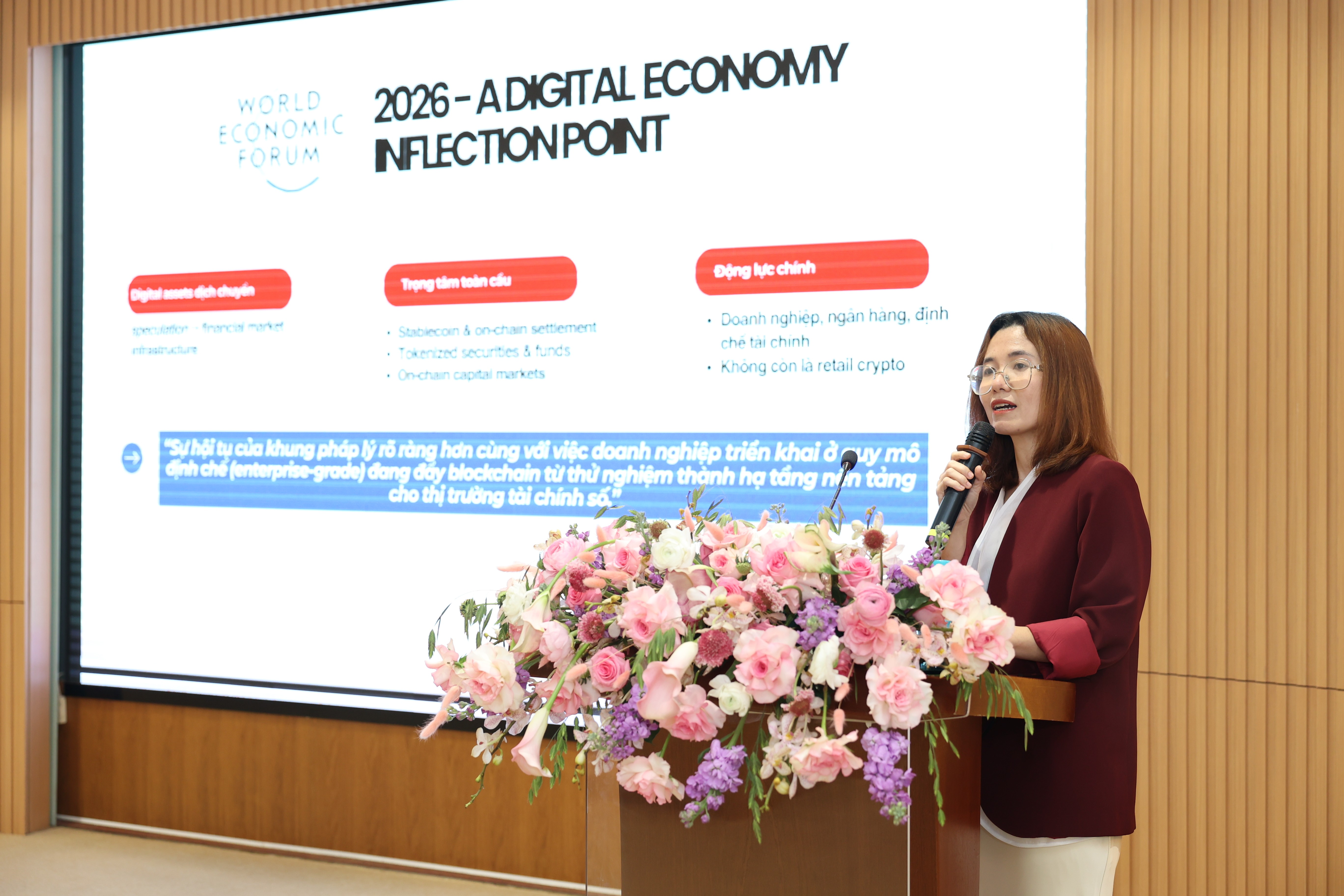
She argued that the digital-asset market is crossing an inflection point as regulatory clarity + institutional participation emerges; the focus is shifting from speculation to financial market infrastructure (stablecoins & on-chain settlement, tokenized securities & funds, on-chain capital markets).
The core messages from the enterprise perspective:
Enterprises and institutions do not participate because they are “allowed to test technology,” but because they can see a sufficiently clear market structure to deploy capital, people, and infrastructure (reflected in slides on participation opportunities for enterprises, banks/FIs, and fintechs in on-chain financial markets).
The biggest bottleneck is the legal gap and the post-sandbox question: “What happens after the sandbox ends?” Is the sandbox applied to the full value chain or only granted piecemeal? Digital-asset classification remains unclear, making it difficult to identify applicable law and regulatory authority; tax and financial reporting treatment is also uncertain.
Without a clear post-sandbox roadmap, enterprises cannot justify long-term investment.
Ms. Quỳnh also offered examples that go straight to implementation constraints:
Tokenization of ETFs / pre-IPO shares: technology and investor demand are ready, but the legal pathway is not. The sandbox must enable controlled trials across issuance – custody – settlement and provide a legal basis for on-chain trading; without a sandbox, such projects cannot be implemented in Vietnam.
Digital-asset funds within the IFC: highly specific questions need answers (can funds hold digital assets; are tokens investment assets or commodities; custody/NAV/audit/tax treatment). The expectation is that the sandbox provides controlled experimentation plus clear custody and reporting mechanisms, creating a foundation for future codification.
This aligns with PhD. Tony’s opening: once enterprises can see the market structure, they know what to do; if they only see a scattered menu of isolated trials, they cannot decide to deploy at scale.
The language shift — from “applying for sandbox” to “designing the market”
The workshop converged around a clear axis:
Anxiety around sandbox stems from not having clearly defined the target market and the supervision model.
The path forward is a market-oriented sandbox, with EOM proposed as a viable target market around which design can be organized.
Enterprise feedback confirms the real participation condition: not “relaxation,” but clarity of the rulebook, the post-sandbox pathway, and the risk structure across the entire value chain.
To close the workshop, Mr. Nguyễn Hữu Huân, Vice Chair of VIFC-HCMC, said that in the coming period the Executive Body will consolidate and draw on expert input from the workshop to develop the sandbox mechanism for VIFC-HCMC—marking a shift from consultation to implementation.
—